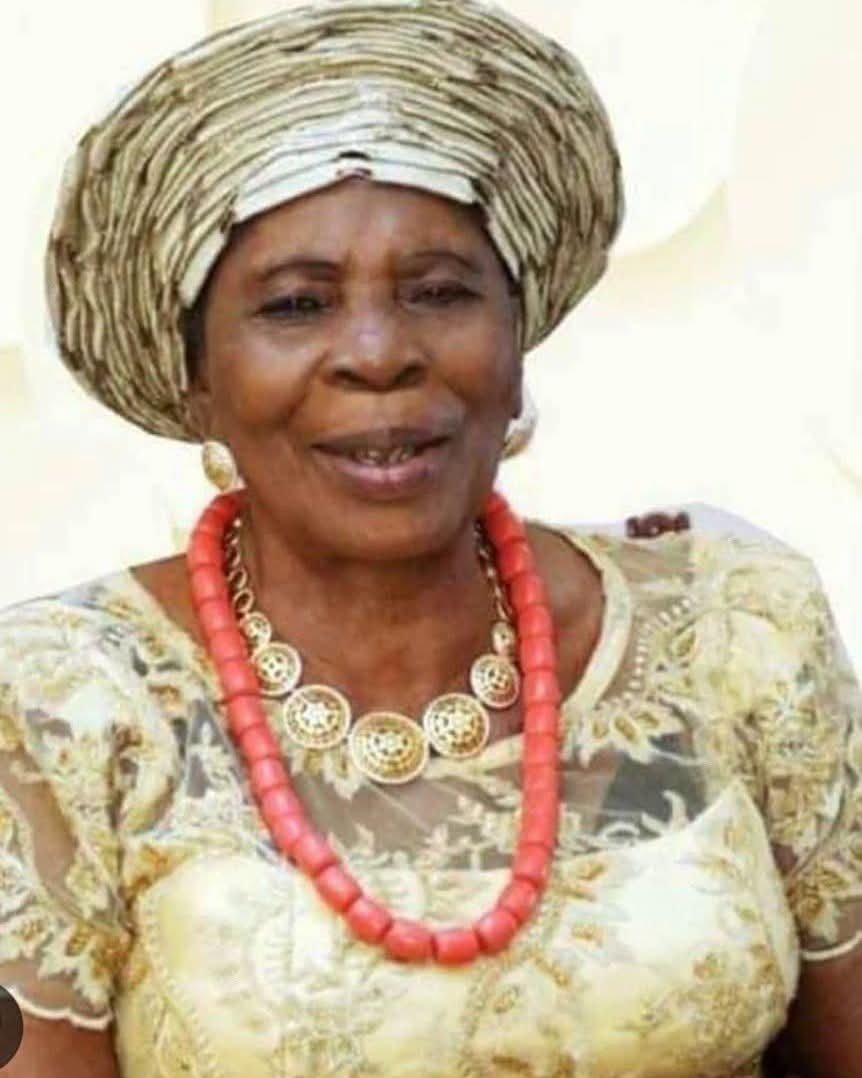
The Senator representing Plateau South Senatorial District, and former Governor of Plateau State His Excellency Simon Bako Lalong, has expressed deep shock and sadness over the death of Dame Mary Oduah Amaechi, mother of the former Minister of Transportation and Vice Presidential Candidate of the African Democratic Congress (ADC), Rt. Hon. Rotimi Amaechi.
Senator Lalong said he was devastated by the news of the passing of Dame Mary at the age of 89, describing her death as a painful loss not only to the Amaechi family but also to all those who had the privilege of knowing and relating with her.
In a condolence message, Senator Lalong said the death of a mother is always deeply painful, especially for the family, noting that Dame Mary Oduah Amaechi lived a long and impactful life devoted to the values of family, faith and service.
He said he was particularly saddened by the news because of his close relationship with Rt. Hon. Rotimi Amaechi, whom he described as a dear friend and brother, adding that he shares in the grief of the former Minister and the entire Amaechi family at this difficult moment.
Senator Lalong while eulogising Dame Mary Oduah Amaechi who he had the privilege of knowing right from his time as Speaker, said the loss of a mother is one of the most painful experiences anyone can go through.
He noted that while the family mourns the loss of their beloved matriarch, they should also draw comfort from the memories of her long and meaningful life, as well as the values she instilled in her children and the positive impact she made on those around her.
The former Governor of Plateau State prayed God Almighty to grant the family the strength, courage and fortitude to bear the irreparable loss, while asking Him to grant the soul of Dame Mary Oduah Amaechi eternal rest.
About the Author