By: Dr James Bwala
As Borno State prepares for the 2027 governorship election, political activities are gradually gaining momentum. Across the state, citizens, community leaders, professional groups, youth organisations, women’s associations and political stakeholders are beginning to express their preferences and expectations. Among those receiving increasing attention is the All Progressives Congress (APC) gubernatorial candidate, Engr. Alhaji Mustapha Gubio, FNSE.
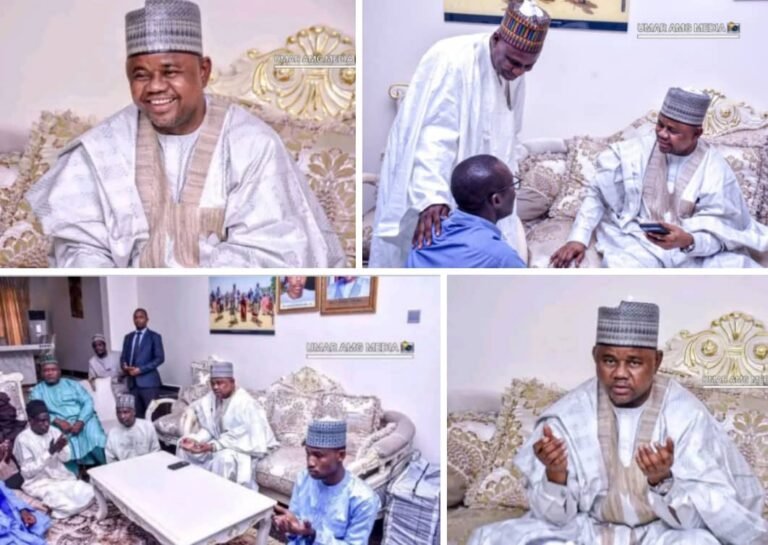
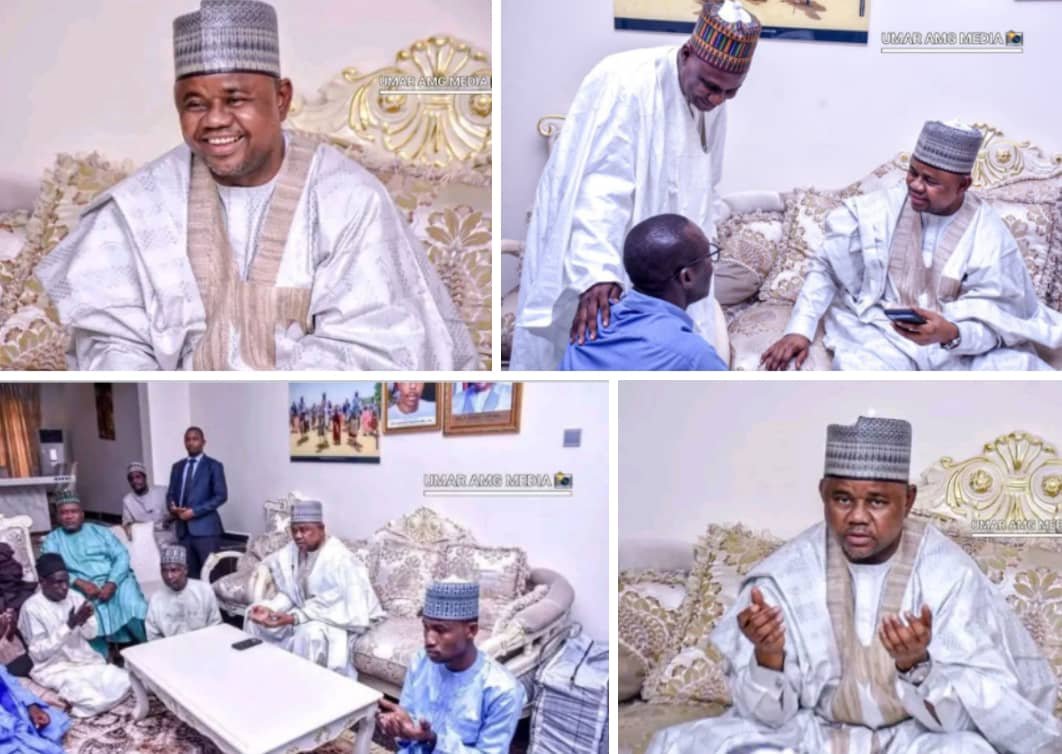
Recently, Gubio has continued to receive solidarity visits and campaign support from various clubs, associations, community groups and stakeholders. These engagements have brought together no fewer than 25 forums and groups, each presenting messages of support, campaign materials and other items to strengthen political mobilisation across Borno. While such activities are part of the normal process of political campaigning, their scale, diversity and consistency suggest something more significant: a growing public confidence in Gubio’s leadership capacity and political vision.
The importance of these visits lies not merely in the number of people attending or the quantity of materials presented. Their deeper meaning can be found in the breadth of the groups involved and the shared conviction that Engr. Alhaji Moustache Gubio represents a credible path toward continuity, inclusion and sustainable development in Borno State. Political support is rarely built on one factor alone. It is usually the result of personal reputation, community engagement, trust, competence and the belief that a candidate can respond effectively to the challenges facing society. The solidarity being expressed toward Gubio indicates that many stakeholders see these qualities in him.
One of the strongest features of the recent engagements is the diversity of the groups involved. The groups received by Engr. Gubio includes Gubio Youths Patriotic, Kaumi Group, Gubio Peace & Progress Bura Kime, State Monitor FIRS, Jr. H.E. AMG, Almisikin BG Ali Kawu, Bar Mallum L. Kur, Hon. Mustapha Kur Konduga, Amma B. Lmisula and others, Elefaruk and Zannah Solidarity PVC, Borno Zulum Campaign Organisation, Gubio Youths Generation Club, Monguno Old Boys Prof. Sulumbe, Cap Washing Association, Bolori Community, AMG Progressive Movement, Gubio APC E-Registration Members, Modu Gambo Team Kasuwa Shanu, Dr Zainab Eyn Women Christian, Six Digit Committee Members and Elbash Group, among others.
This range of support is politically meaningful because it cuts across different sections of society. It includes youth groups, community forums, women’s organisations, professional networks, political associations, grassroots mobilisers and local stakeholders. A candidate who attracts support from such a broad coalition is better positioned to understand the varied concerns of the electorate. The needs of young people may differ from those of community elders; the priorities of women’s groups may not always be identical to those of professional associations. However, a broad-based support structure creates an opportunity for dialogue and collective problem-solving.
The solidarity visits also show that political mobilisation in Borno extends beyond elite meetings and formal party structures. Grassroots organisations are actively participating in the process. Their involvement shows that citizens want to play a direct role in determining the future direction of the state. When groups make the effort to visit a candidate, present campaign materials and publicly express their support, they are not simply observing politics from a distance. They are investing their time, resources and organisational energy in a political project they consider worthwhile.
The materials presented during the visits further illustrate the seriousness of the support. The Lawan Bukar Community Elders Forum presented 1,000 campaign posters, 1,000 wrappers, T-shirts and 500 face caps. The Gubio Youths and Progress Forum, led by its chairman from Bura Kime, presented 300 wrappers and campaign banners. Ahmed Malam Ali, Chairman of Gubio Youths Patriotic, presented six bales and 100 wrappers.
These contributions are significant because they reflect active participation rather than passive endorsement. Campaign materials help communicate political messages, but they also serve as symbols of collective ownership. When supporters contribute posters, wrappers, T-shirts, banners and face caps, they demonstrate their willingness to identify publicly with a candidate. In communities where political loyalty is often expressed through physical presence and direct engagement, such gestures can carry considerable weight.
More importantly, these contributions suggest that supporters are prepared to take responsibility for spreading Gubio’s message. They are not waiting for the candidate or the party to do everything. Instead, they are organising themselves, mobilising their communities and supporting the campaign with available resources. This type of participation can become a powerful foundation for an effective grassroots campaign ahead of the 2027 general elections.
Another important aspect of the engagements is the response of Engr Gubio himself. Receiving the groups, he expressed appreciation for their solidarity visits and contributions, commending them for their commitment and support. His response was not limited to gratitude. He also assured the groups of continued engagement and promised that, if elected in 2027, his administration would work with communities and stakeholders toward sustainable development across Borno State.
This commitment to continued engagement is particularly important in contemporary governance. Citizens increasingly expect leaders to maintain communication with them beyond election periods. A government that listens to communities, consults stakeholders and includes citizens in development planning is more likely to design policies that respond to real needs. Sustainable development cannot be achieved through government action alone. It requires cooperation among public institutions, traditional leaders, community associations, youth groups, women’s organisations, private-sector actors and professional bodies.
Gubio’s assurance of partnership therefore presents a governance model based on consultation and inclusion. If translated into practice, such an approach could help strengthen trust between government and citizens. It could also improve accountability, as stakeholders who participate in development discussions are more likely to monitor projects and demand responsible use of public resources.
Borno State faces complex challenges that require competent and collaborative leadership. The effects of insecurity, displacement, limited economic opportunities, infrastructure deficits and social disruption cannot be addressed through isolated interventions. The state needs a leadership team capable of combining technical knowledge with political sensitivity and grassroots understanding. As an engineer and professional, Gubio is expected to bring an analytical and development-oriented perspective to governance. His professional background, combined with his current engagement with communities and political stakeholders, may position him to contribute meaningfully to the state’s reconstruction and development agenda.
However, the significance of the current support should not be understood as a substitute for policy debate. Solidarity visits and campaign materials are important expressions of political confidence, but the 2027 election must ultimately be decided by the quality of ideas, programmes and leadership commitments presented to the people. Supporters of Gubio will need to articulate clearly what distinguishes his vision from those of other candidates. They must explain how his administration would improve security, education, healthcare, agriculture, youth employment, women’s empowerment, infrastructure and economic development.
The candidate, for his part, must continue to transform goodwill into a clear and realistic policy platform. He must demonstrate how his proposed programmes would be funded, implemented and evaluated. He must also show that his commitment to stakeholder engagement would extend to all communities, including those that may not initially support his candidacy. True leadership is measured not only by the ability to attract supporters but also by the capacity to serve the entire population fairly after election.
The growing solidarity around Gubio nevertheless offers an encouraging foundation. It indicates that many people are already willing to participate in a campaign centred on development and collective action. The presence of elders, youths, women, community groups and professional associations suggests that the campaign has the potential to become a broad movement rather than a narrow political organisation. If properly managed, this coalition can promote peaceful participation, issue-based campaigning and constructive engagement across the state.
Political campaigns should not deepen divisions. In a state that has endured serious challenges, the 2027 election should be an opportunity for citizens to discuss their aspirations and assess the capacity of candidates. Gubio’s engagements with different groups can contribute to this process if they remain focused on respect, unity and the delivery of practical solutions. Supporters should be encouraged to campaign responsibly, avoid inflammatory language and place Borno’s collective interest above personal or sectional considerations.
The current pattern of solidarity visits therefore speaks volumes about the political possibilities surrounding Engr Alhaji Mustapha Gubio. It reflects growing organisation at the grassroots, confidence among diverse stakeholders and a willingness to invest in his campaign. The posters, wrappers, banners, T-shirts and face caps may appear to be simple campaign items, but collectively they represent commitment, identity and shared expectation.
Ultimately, the strength of Gubio’s candidacy will depend on how effectively he converts this support into a coherent programme for governance. The people of Borno will expect more than promises. They will demand competence, integrity, inclusiveness and measurable results. If Gubio sustains his engagement with communities, communicates a clear development agenda and remains committed to accountable leadership, the solidarity currently surrounding him could become a decisive political advantage.
The 2027 governorship election is still ahead, but the message from these visits is already clear: a significant number of Borno stakeholders are prepared to stand with Mustapha Gubio and support his journey. Their solidarity suggests that they see in him the possibility of a governor who listens, collaborates and works toward sustainable development. Whether that confidence ultimately translates into electoral victory will depend on the campaign ahead, but the foundation is unmistakable. In Borno’s evolving political landscape, the voices, contributions and organised activities of these groups are speaking loudly—and they are pointing toward Gubio in the 2027 arrangements.
Bwala, PhD, writes from Abuja
About the Author